How can machines understand physical space and create coherent visual worlds? Explore my research in generative AI and geometric vision through plain-language summaries, method explanations and links to the original work.
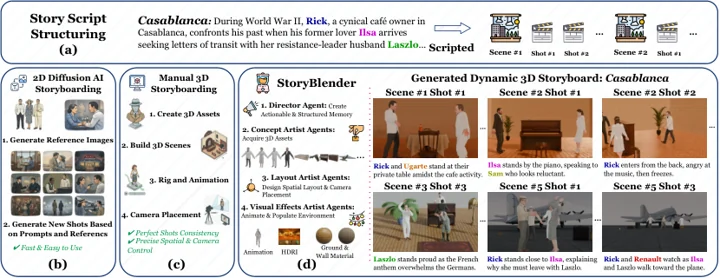
StoryBlender turns a story into editable 3D storyboards while keeping characters, assets and spatial relationships consistent across shots. A persistent scene representation connects narrative planning with engine-verified scene construction.
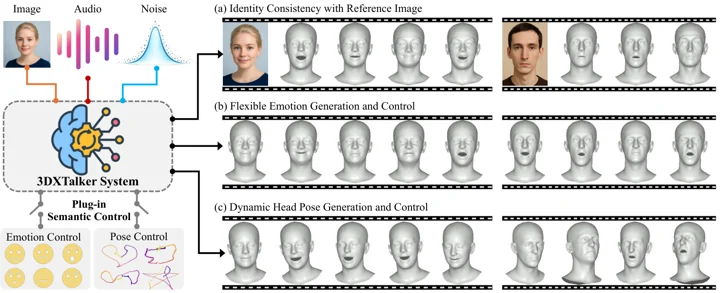
3DXTalker combines identity, audio-driven lip motion, emotion and head-pose control in expressive 3D talking avatars. Its representation separates these factors so that speech animation and semantic control can work together.
Zhenhong Sun, Yifu Wang, Yonhon Ng, Yongzhi Xu, Daoyi Dong, Hongdong Li, Pan Ji
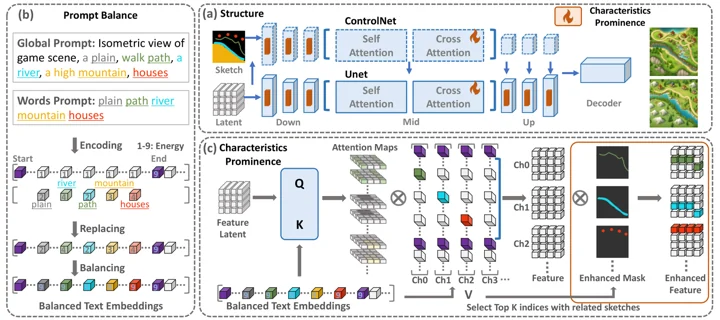
T³-S2S turns sketches into controllable multi-object scene concept art through training-free interventions in diffusion attention and sketch conditioning. It also supports paired isometric and terrain-oriented views.
Yongzhi Xu, Yonhon Ng, Yifu Wang, Inkyu Sa, Yunfei Duan, Zhenhong Sun, Yang Li, Pan Ji, Hongdong Li
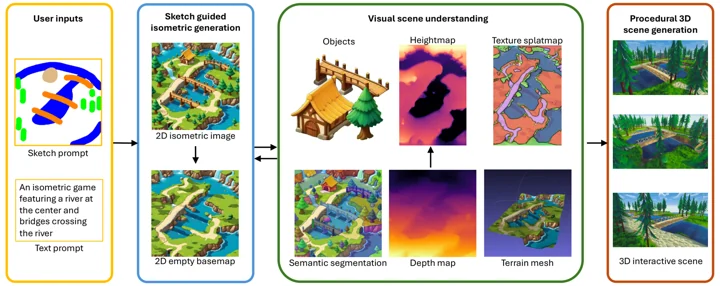
Sketch2Scene converts casual sketches into interactive 3D game scenes by combining diffusion-based concept generation, scene interpretation and procedural construction in a game engine.
Hanlin Chen, Jiaxin Wei, Xibin Song, Yifu Wang, Steve Wang, Hongdong Li, Pan Ji, Gim Hee Lee
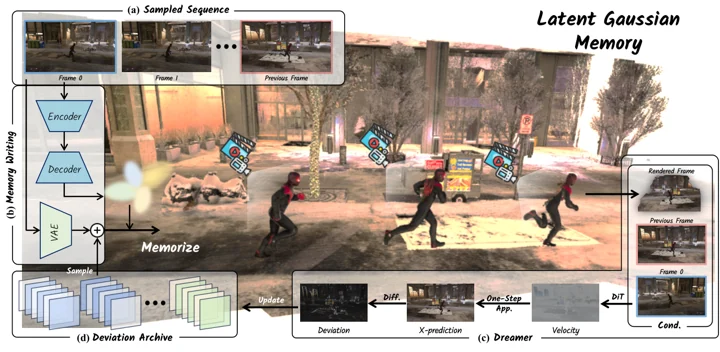
Robust Dreamer improves long autoregressive video rollouts with action control by storing diffusion latents in a 3D Gaussian memory and training the generator to handle errors in its own historical memory.
Jia Li, Han Yan, Yihang Chen, Siqi Li, Xibin Song, Yifu Wang, Jianfei Cai, Tien-Tsin Wong, Pan Ji
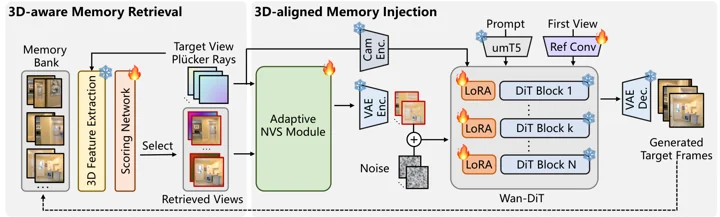
I3DM preserves scene consistency in generated video by retrieving useful historical views and injecting spatially aligned memory features, without requiring an explicit 3D reconstruction of the scene.
Han Yan, Xibin Song, Yifu Wang, Hongdong Li, Pan Ji, Chao Ma
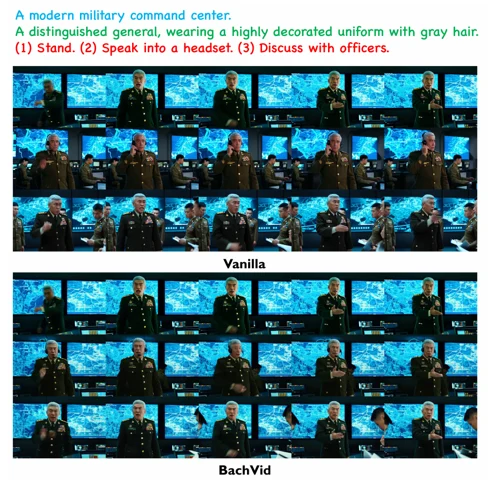
BachVid generates multiple video clips with consistent backgrounds and characters using a training-free reuse mechanism. It carries identity-related evidence from an initial video into later clips while allowing actions to change.
Zhiyi Jiang, Yifu Wang, Xuelian Cheng, Zongyuan Ge
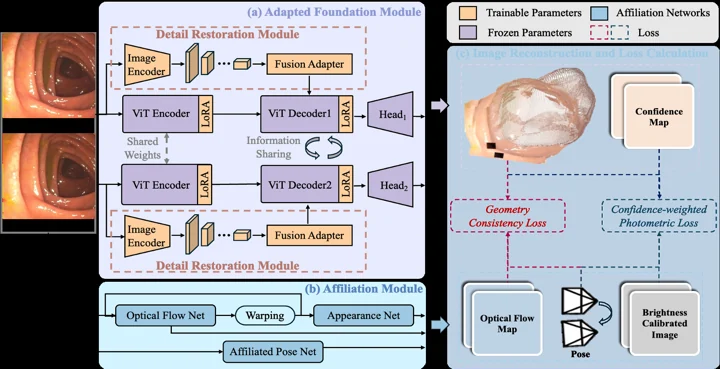
ColonAdapter adapts a visual geometry foundation model to colonoscopy, using self-supervised geometric and photometric constraints to estimate depth, camera pose and dense 3D structure.
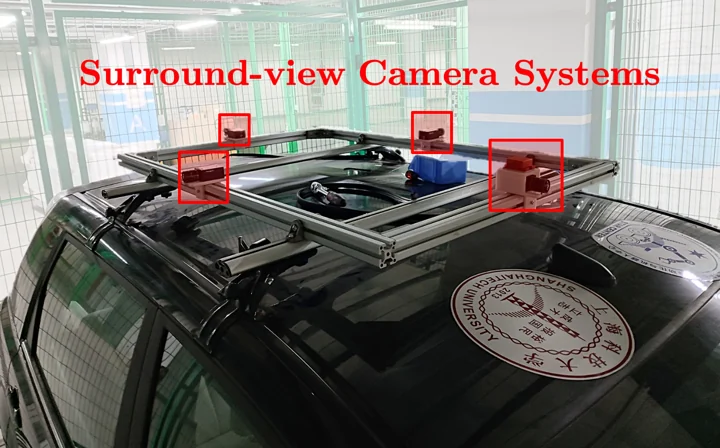
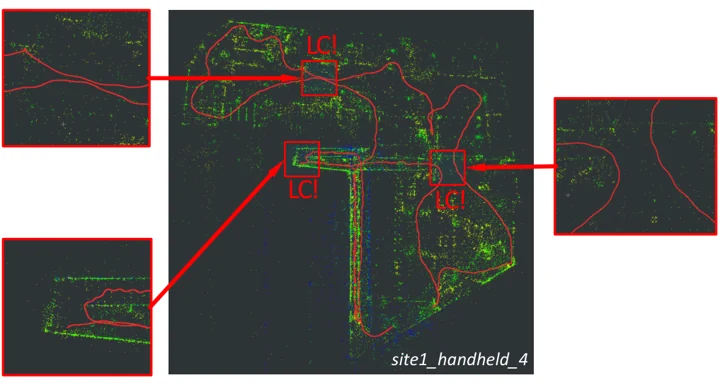
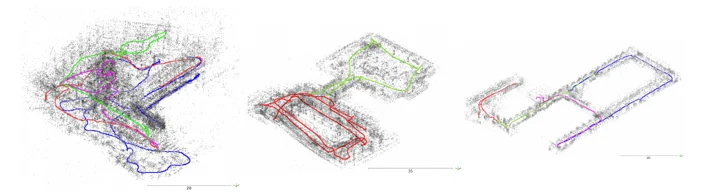
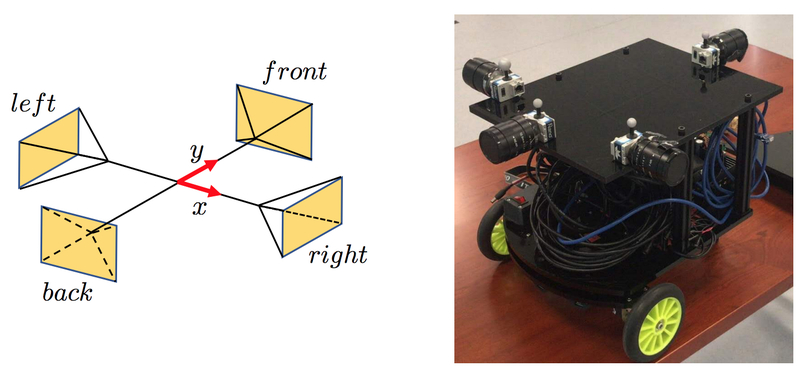
OpenGV 2.0 uses vehicle motion priors to improve surround-view camera calibration, relative pose estimation and SLAM, including configurations with little overlap between cameras.
Yifu Wang, Yonhon Ng, Inkyu Sa, Alvaro Parra, Cristian Rodriguez-Opazo, Taojun Lin, Hongdong Li
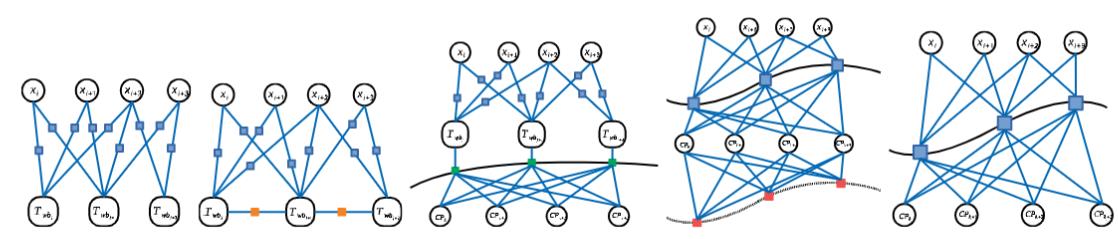
MAVIS combines multiple cameras with an IMU for visual-inertial SLAM. Its exact SE₂(3)-based IMU pre-integration strengthens motion estimation during fast rotations and longer integration intervals.
Yifu Wang, Yonhon Ng, Inkyu Sa, Alvaro Parra, Cristian Rodriguez-Opazo, Taojun Lin, Hongdong Li
TXR-SLAM is the XR Penguin team's vision/IMU-only entry to the Hilti SLAM Challenge 2023, combining multi-camera tracking, sliding-window optimization, loop closure and full trajectory refinement.
Yifu Wang*, Wenqing Jiang*, Kun Huang, Sören Schwertfeger, Laurent Kneip.
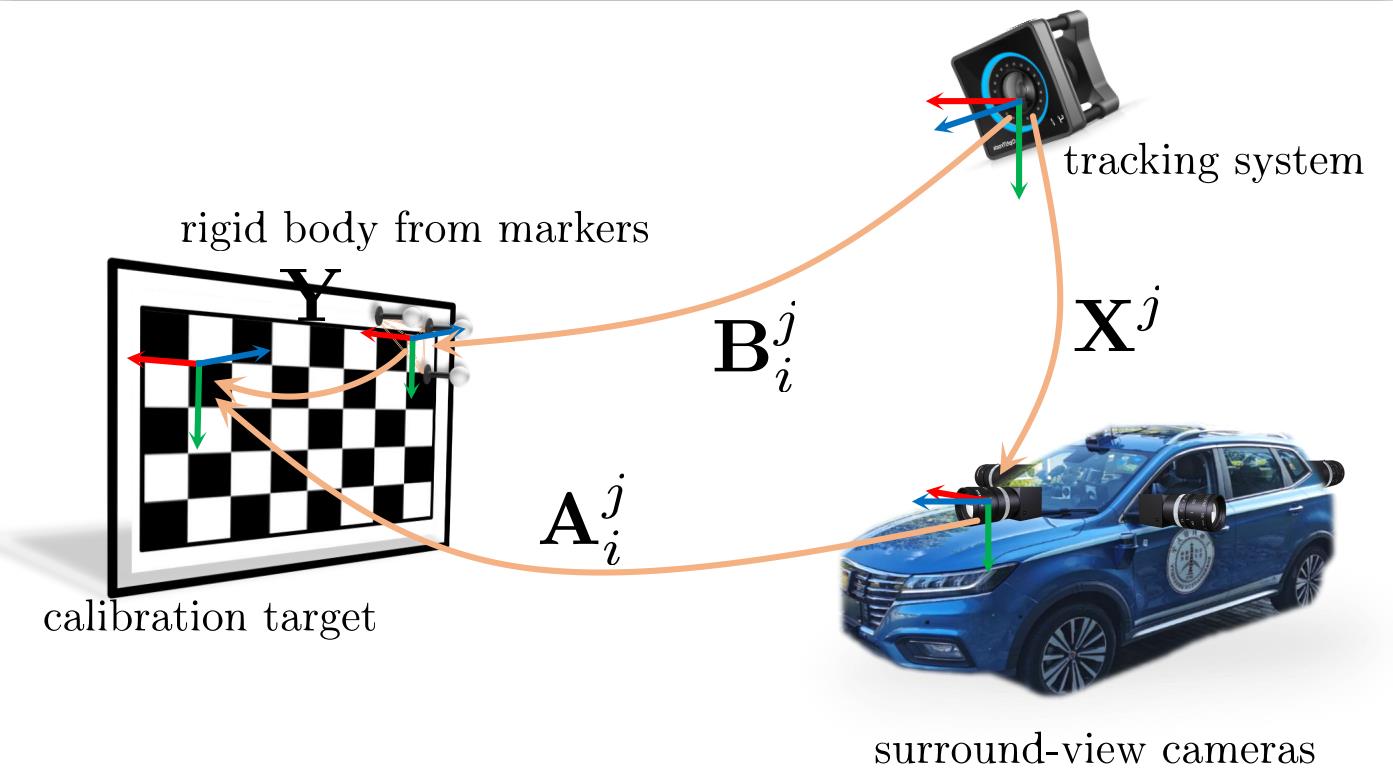
This paper generalizes the hand–eye calibration constraint to multi-perspective camera systems, providing a closed-form route to calibrating camera rigs against an externally tracked reference.
This paper uses B-splines to incorporate smooth, non-holonomic vehicle motion into visual localization and mapping, refining trajectories within six-degree-of-freedom bundle adjustment.
This PhD thesis studies localization and mapping with surround-view multi-camera systems and event cameras, linking sensor geometry, vehicle motion constraints and continuous-time estimation.
Yifu Wang, Kun Huang, Xin Peng, Hongdong Li, Laurent Kneip.
This paper improves frame-to-frame motion estimation for vehicle-mounted surround-view cameras, addressing planar-motion degeneracies with a geometric two-view optimization.
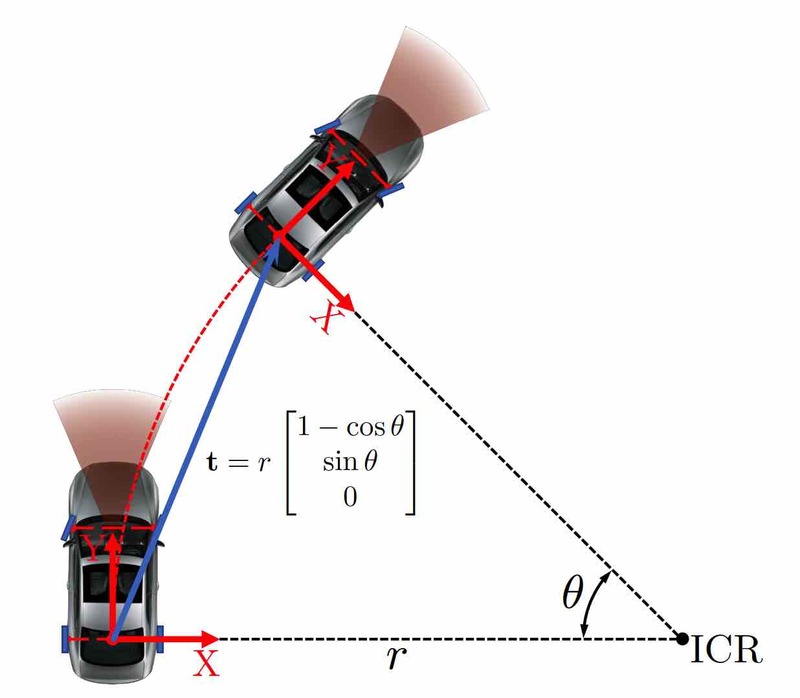
This paper estimates non-holonomic ground-vehicle motion from one tracked feature across multiple views, using a constrained motion model to derive a compact polynomial solution.
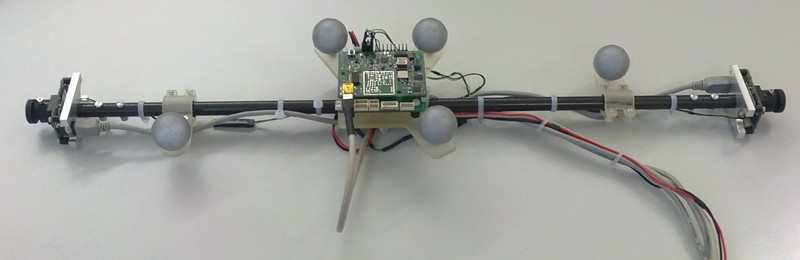
This paper studies metric-scale initialization for visual odometry with non-overlapping multi-perspective cameras, including the motion degeneracies that can make scale unobservable.
This work tracks an event camera in six degrees of freedom against a map built using another sensing modality, combining semidense geometric alignment with polarity-aware event representations.
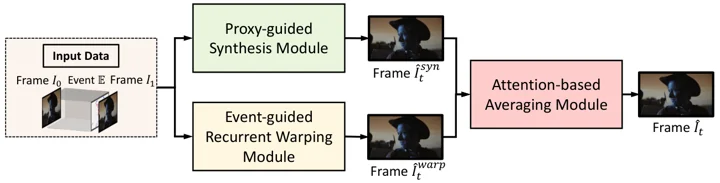
This paper combines RGB-guided motion estimation with event-based refinement for video frame interpolation, using incremental intermediate-frame synthesis to handle larger temporal gaps.
Xiang Ji, Jiaxin Wei, Yifu Wang, Huiliang Shang, Laurent Kneip
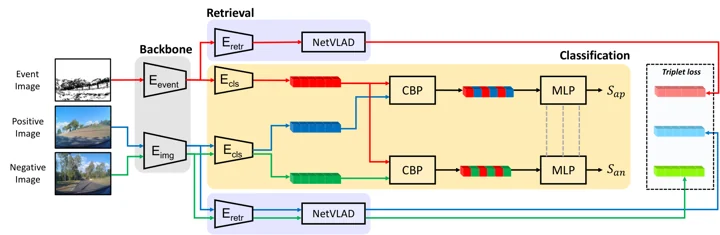
This work recognizes places from event-camera observations by retrieving matches in a conventional image database, connecting event sensing with existing visual reference maps.
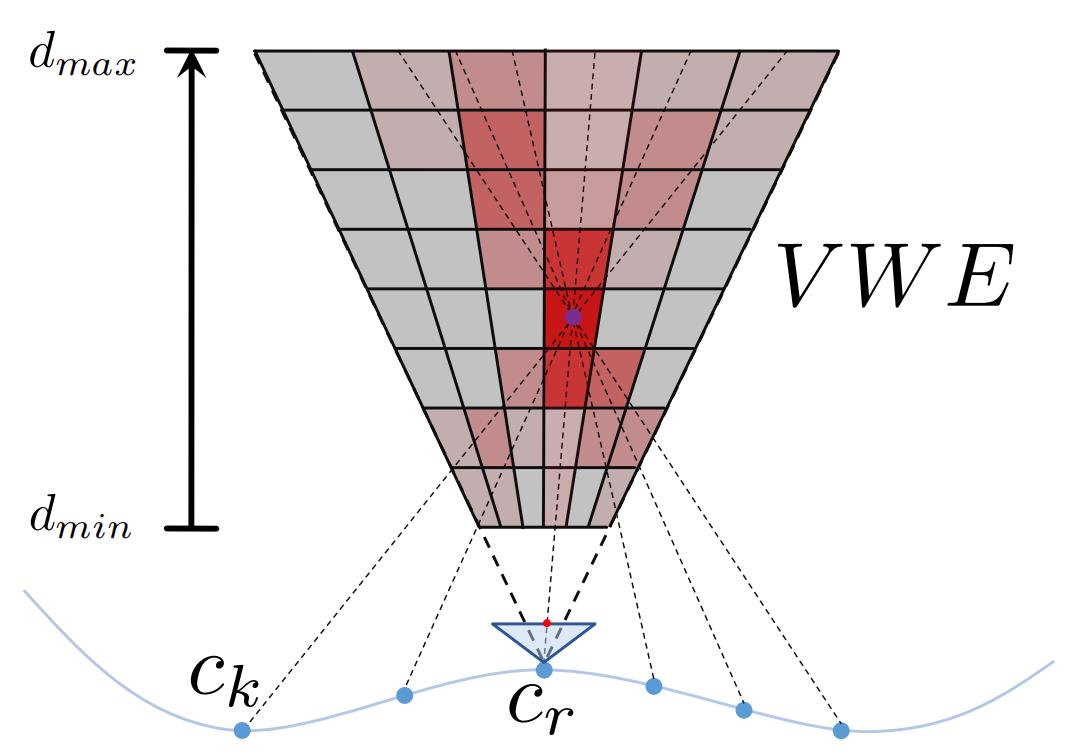
This event-camera visual odometry method jointly estimates motion and scene structure by warping viewing rays continuously and maximizing their concentration in a 3D volume.
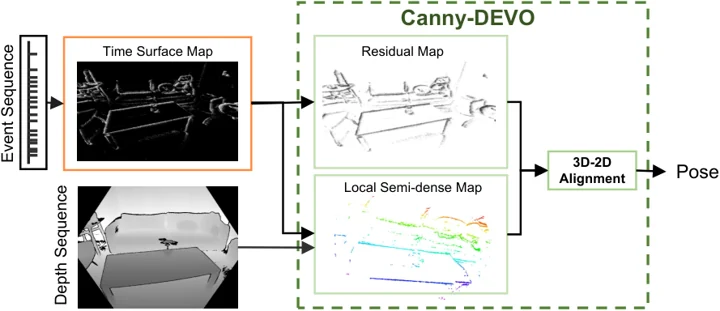
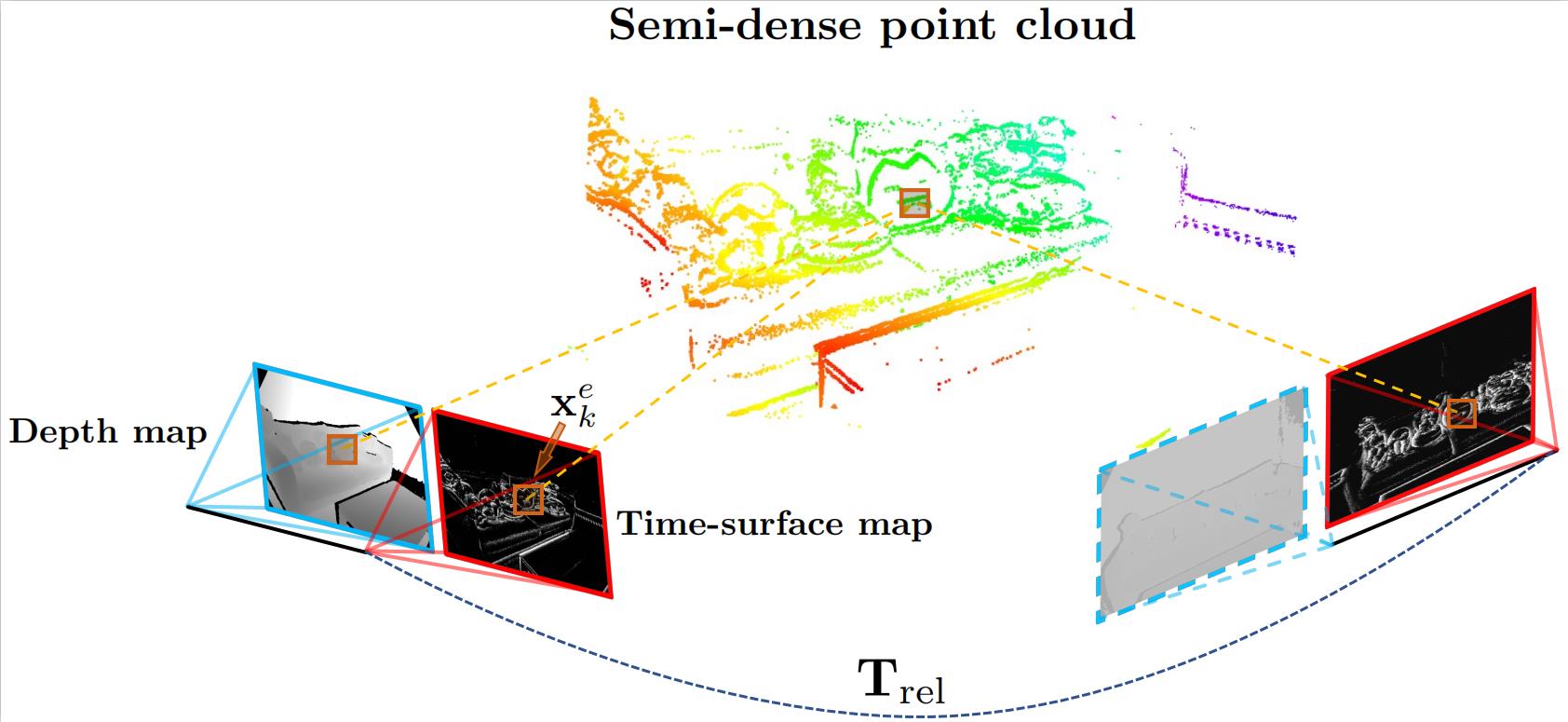
DEVO combines a depth camera with an event camera for visual odometry, aligning semidense geometry with event-derived time surfaces to track motion in challenging lighting and fast movement.
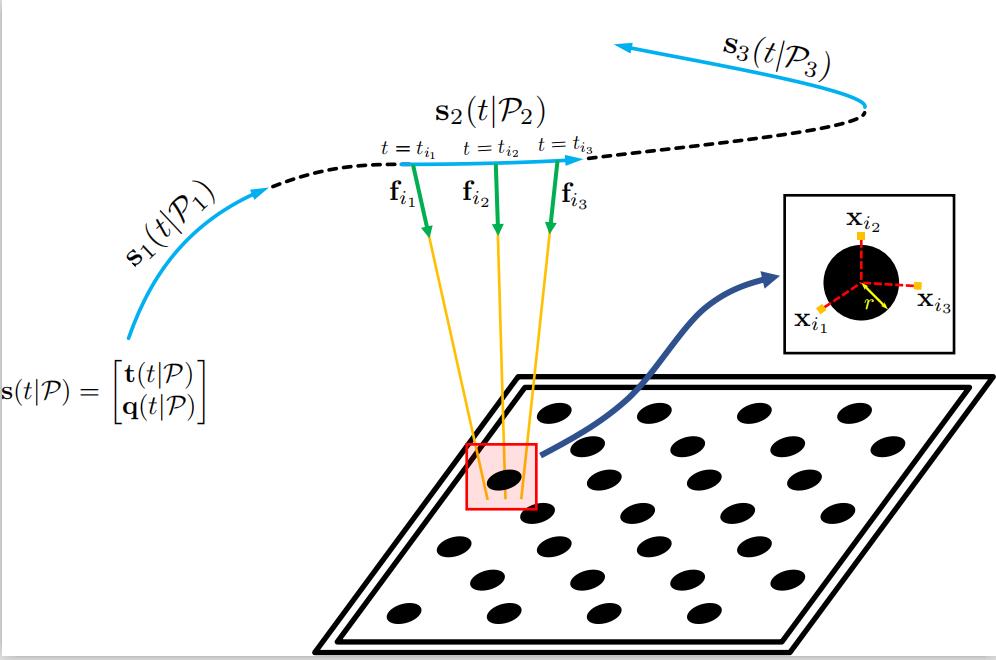
Dynamic Event Camera Calibration uses motion between an event camera and a conventional calibration pattern to estimate camera parameters, followed by continuous-time refinement.
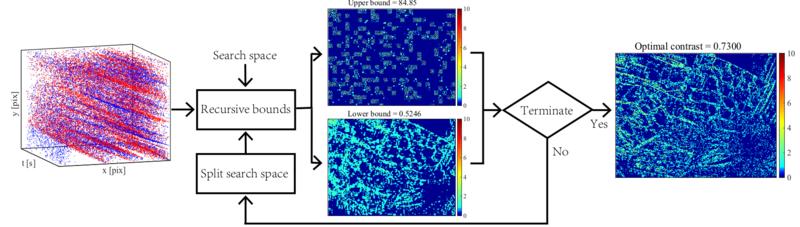
This paper develops globally optimal contrast maximization for event-camera motion models, using branch-and-bound search with recursive bounds to avoid dependence on a favorable initial guess.
Xin Peng*, Yifu Wang*, Ling Gao* and Laurent Kneip.
This work derives a globally optimal contrast-maximization solution for event-camera motion estimation, focusing on the fronto-parallel geometry of a downward-looking ground-vehicle camera.